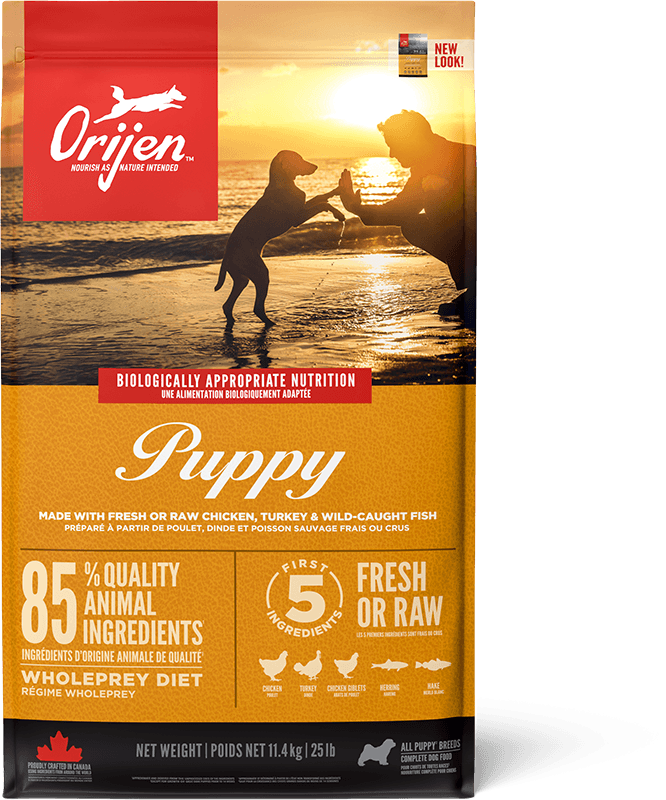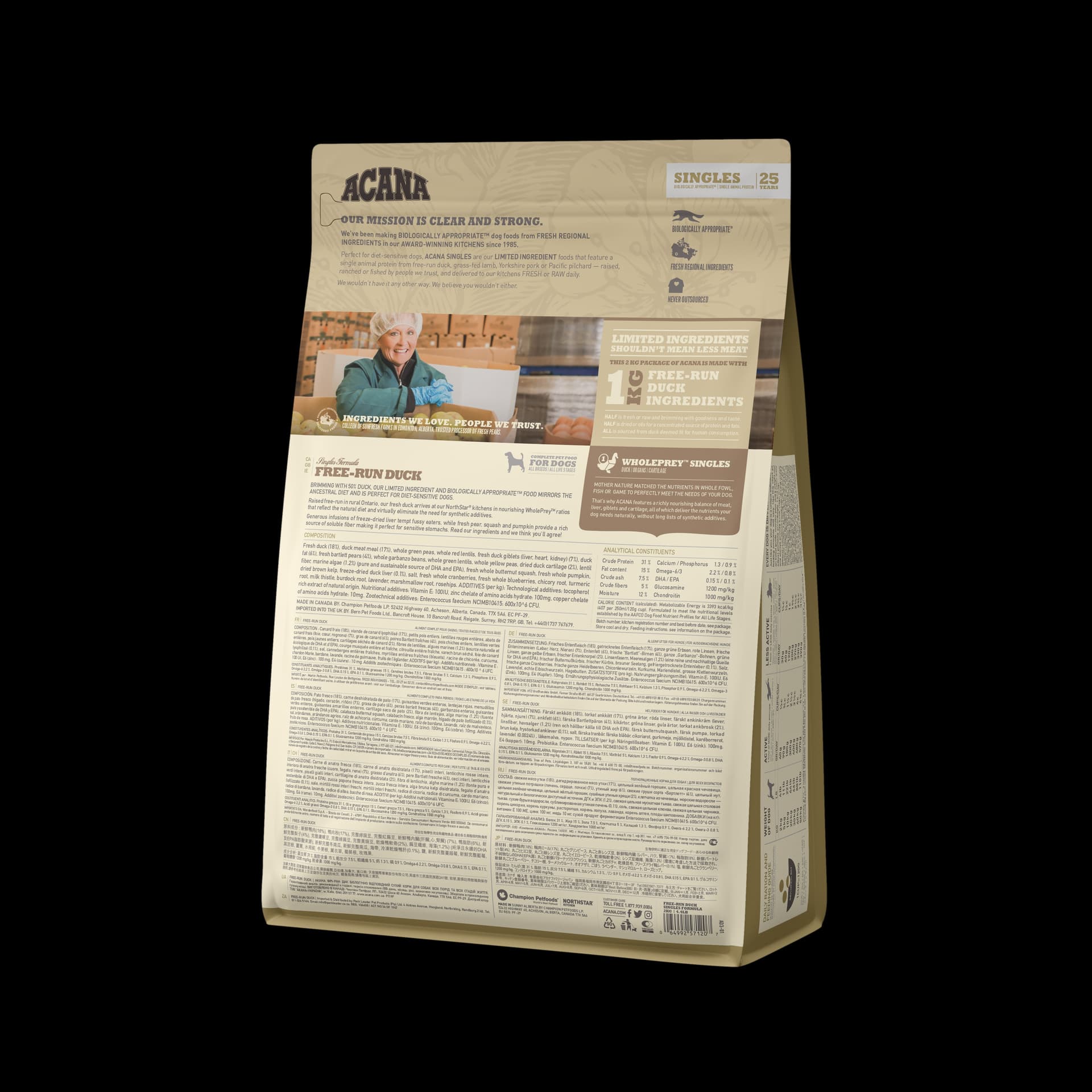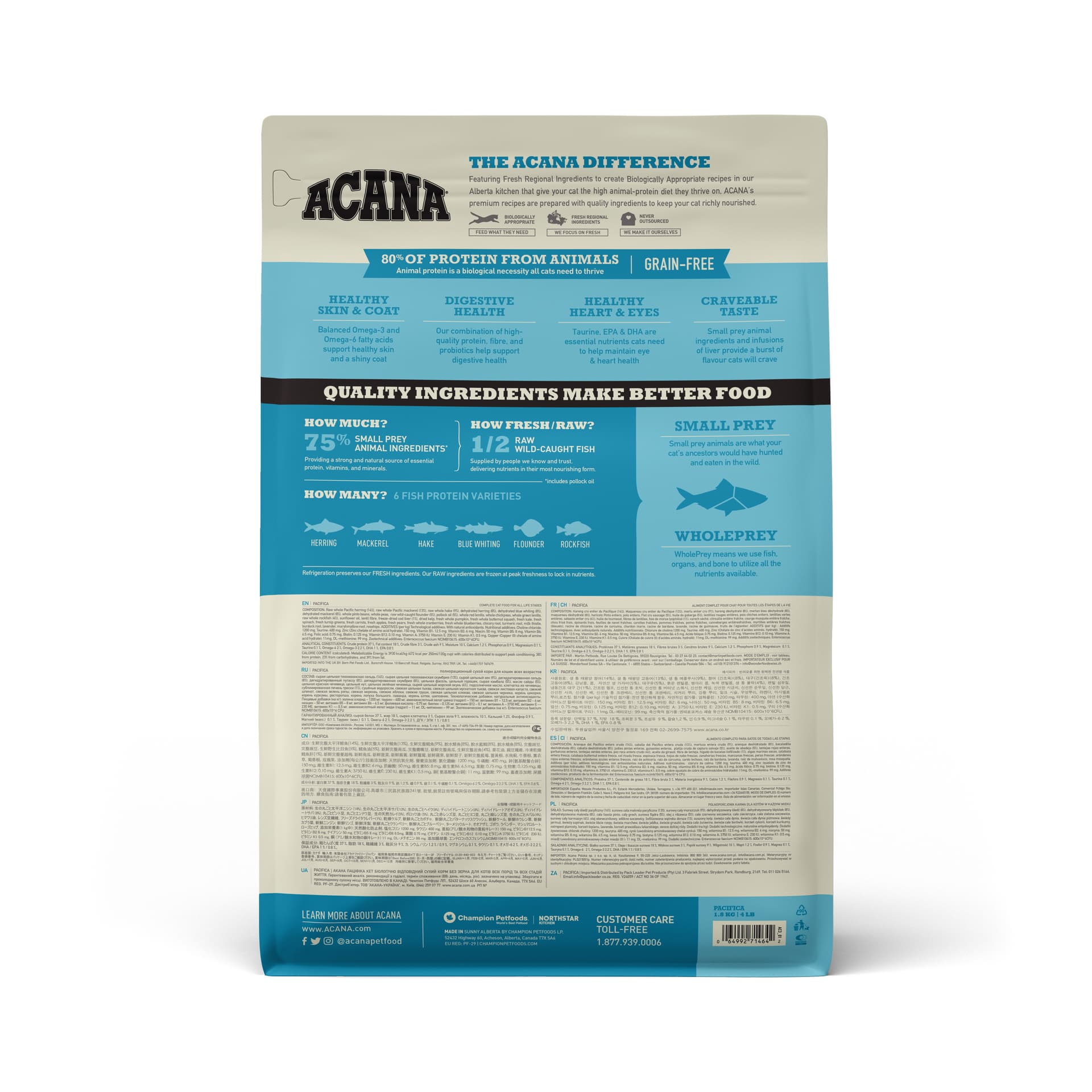
Choosing food for your pet is about more than selecting a popular brand or an attractive package. A suitable diet should meet your pet's nutritional needs, match their life stage, fit your budget, and be safe to store and serve.
With dry kibble, wet food, treats, toppers and specialized formulas available in India, comparing products can feel confusing. The following checks can help you make a more informed decision when buying food for your dog or cat, whether online or from a local pet shop.
For additional guidance, explore the KUDLZ dog store, KUDLZ cat store, and KUDLZ & Care.
1. Choose Food Made for the Right Species
Dogs and cats have different nutritional requirements. Cat food should not be replaced with dog food as a regular diet, and dog food is not an appropriate complete diet for cats. Cats, for example, need specific nutrients such as taurine and preformed vitamin A in their diet.
Always check that the package clearly identifies the intended animal. A picture of a dog or cat is not enough; read the product name and feeding information. Start with the appropriate dog food range or cat food range.
2. Match the Food to Your Pet's Life Stage
Puppies and kittens are growing, adults generally need maintenance nutrition, and pregnant, nursing or older animals may have different needs. Select a formula labelled for the relevant life stage rather than assuming one product is suitable for every pet.
If the packaging says "all life stages," read the feeding guidance carefully. Portions and nutritional needs can differ substantially between a growing animal and a less active adult. When unsure, ask your veterinarian which life-stage formula is appropriate.
3. Understand "Complete Food" Versus Treats and Toppers
A product intended to be a complete diet is designed to supply the nutrients required when fed as directed. Treats, toppers, supplements and complementary foods may be designed to add variety or reward your pet, not to replace their main diet.
Read the product's intended purpose and feeding instructions. Do not assume that a treat labelled "nutritious" or "high protein" provides everything your pet needs. The AAFCO guide to selecting pet food explains useful label concepts, including species, life stage and feeding directions.
4. Consider Your Pet's Individual Needs
Age and size are only part of the picture. Activity level, body condition, appetite, food tolerance and medical history can affect which food is suitable. A highly active dog may need a different energy intake from a less active dog of a similar size.
If your pet has a diagnosed condition, suspected food allergy, ongoing digestive symptoms, urinary or kidney disease, obesity, or special needs related to pregnancy or nursing, ask a veterinarian before making a major diet change. A therapeutic diet should be selected with veterinary guidance.
5. Read the Full Label, Not Just the Front of the Pack
The front of a package is designed to attract attention. Turn it over and review the actual product information before comparing options.
- Intended species and life stage.
- Net weight or pack size.
- Ingredient list and analytical or guaranteed nutrient information, where provided.
- Feeding instructions and storage guidance.
- Manufacturer, importer or marketer details and customer contact information.
For broader label-reading advice, consult the WSAVA Global Nutrition Guidelines.
6. Do Not Judge Quality by One Ingredient or a Buzzword
Terms such as "premium," "natural," "holistic" or "high protein" do not tell you everything about a food's nutritional adequacy. Likewise, the ingredient list alone cannot fully show the quality, digestibility or overall balance of the finished product.
Compare the food's purpose, nutrient information, feeding guidance and manufacturer transparency as a whole. Be careful with dramatic claims that promise to cure a disease, guarantee perfect health or make a product sound suitable for every animal.
7. Check Whether the Manufacturer Can Explain Its Food
Reliable manufacturers should be able to answer reasonable questions about who formulates the diet, how nutritional adequacy is assessed, and what quality-control measures are used for ingredients and finished products. They should also provide a way to contact them about product concerns.
The WSAVA pet-food selection resource suggests asking about nutrition expertise, quality control and access to company representatives. If a brand cannot provide basic product information, consider that a reason to look more closely before buying.
8. Compare Daily Feeding Cost, Not Just Pack Price
A large bag may appear expensive but can cost less per day if the recommended portion is smaller. Conversely, a low-priced food may need a larger daily serving. Compare the pack price with the amount your pet is expected to eat each day.
Use the feeding guide as a starting point, measure portions consistently and account for treats. Adjustments may be needed based on your pet's weight, body condition and activity. Do not feed more simply because your pet begs, or feed less than recommended without considering their needs.
9. Choose Dry or Wet Food Based on Practical Needs
Dry kibble is often convenient to portion and store, while wet food contains more moisture and may be preferred by some pets. Neither format is automatically best for every dog or cat. Suitability depends on nutritional completeness, your pet's preferences, health, hydration and budget.
Some pets eat a combination of wet and dry food, but portions should be planned together so the overall diet remains appropriate. For pets with dental, urinary, digestive or other health concerns, ask a veterinarian before choosing a diet based on format alone.
10. Inspect the Packaging Before Feeding
Check the package when it arrives and before opening it. Packaging should be intact and consistent with the product's normal format. Be cautious if you notice a broken seal, punctures, leakage, unexplained moisture, damaged stitching, or signs that a pack may have been resealed.
For cans and pouches, avoid products with leakage, swelling or serious damage. For dry food, look for holes or evidence of water or pest exposure. If the condition seems suspicious, do not feed the food until the seller or manufacturer has helped you verify it.
11. Check Batch Details, Dates and Company Information
Read the batch or lot code, best-before or expiry information, and manufacturer or importer details printed on the package. Dates and codes should be legible and should not appear altered. Make sure the product has enough shelf life for your planned use.
Keep the packaging or take photos of the label if you need to contact the manufacturer. A printed batch number alone does not prove authenticity, but it can help the company investigate a concern or confirm details against its records.
12. Buy from a Seller You Can Verify and Keep the Invoice
Purchase from the brand's official channel or a seller whose business identity and sourcing can be checked. Look for clear contact details, a transparent delivery and returns process, and an invoice or order record. On marketplaces, check the seller name as well as the product listing.
Be cautious if a seller refuses to answer basic questions about sourcing or if the listing does not match the manufacturer's product name, variant or pack size. Keep order confirmation, invoices and delivery photos until you are satisfied with the purchase.
13. Treat Huge Discounts and Certification Claims Carefully
A discount does not automatically mean a product is fake, but an unusually low price combined with unclear seller details, inconsistent packaging or missing batch information deserves extra checking. Compare the exact variant and pack size with the manufacturer's listing, not only the headline price.
India's Bureau of Indian Standards lists IS 11968:2019, Pet food for dogs and cats — Specification. You can search the BIS Know Your Standard portal to research standards and check specific certification claims. The existence of a standard does not, by itself, mean every genuine pet food must display an ISI mark; verify what applies to the specific product and claim.
14. Store Pet Food Properly in India's Climate
Heat, humidity and moisture can affect storage, especially during warm or monsoon weather. Follow the product's storage directions, keep dry food in a cool and dry place, and avoid leaving bags or cans in direct sunlight or a hot vehicle.
After opening, reseal the original package securely or use a clean, dry, airtight container while retaining the original label and batch details. Follow any specific instructions for refrigeration and use after opening for wet food. Wash food bowls regularly, and discard food that has become damp, mouldy or otherwise unusual.
15. Transition Gradually and Monitor Your Pet
Even when a new food is suitable, a sudden change may upset some pets' digestion. For many healthy pets, a gradual transition over about a week is a practical starting point; a slower change may be needed for sensitive animals. Follow your veterinarian's instructions if your pet is on a prescribed diet.
- Begin with a small proportion of the new food mixed with the current food.
- Increase the new food gradually over several days if your pet is tolerating it.
- Monitor appetite, stools, energy and body weight.
- Contact a veterinarian if symptoms persist, worsen or seem urgent.
Keep an eye on your pet after every diet change. No single food is right for every animal, and a pet's needs can change with age, activity and health.
Frequently Asked Questions
How do I know whether a pet food is complete?
Check the product's nutritional purpose and life-stage information. Treats and toppers are not necessarily complete diets. If the label is unclear, ask the manufacturer or your veterinarian before using the product as the main food.
Is the most expensive pet food always the best?
No. Price alone does not prove nutritional quality. Compare suitability for your pet, nutritional information, manufacturer transparency, feeding amounts and cost per day.
Is wet food better than dry food?
Not in every case. Both can be appropriate when the product is nutritionally suitable and fed correctly. Your pet's health, preferences, hydration and practical needs should guide the choice.
What should I do if the package looks tampered with?
Do not feed the product. Keep the packaging and invoice, take clear photos, and contact the seller and manufacturer. If you suspect fraud and the seller does not resolve the concern, you can consult the National Consumer Helpline.
Final Thoughts
A smart pet-food purchase balances nutrition, safety, suitability and value. Check the species and life stage, understand whether the food is complete, read the label, verify the seller, inspect the package and store the food as directed. When your pet has special needs, veterinary advice is more reliable than choosing based on marketing claims alone.
For more shopping and care resources, explore the KUDLZ dog store, KUDLZ cat store, and KUDLZ & Care.