
Choosing the right food for your dog is about more than picking a popular brand or the most attractive packaging. Your dog's age, breed, size, activity level and overall health all influence their nutritional needs.
A growing puppy needs nutrition that supports development, while an adult dog needs a balanced diet that helps maintain energy and a healthy weight. Senior dogs may need adjustments depending on their mobility, muscle condition and medical history.
So, how do you choose the right dog food for your pet?
In this guide, we'll explain how to select suitable food based on your dog's age, breed and size, what to look for on food labels, and how to build a healthy feeding routine.
1. Choose Dog Food According to Age
One of the first things to consider when selecting dog food is your pet's life stage. Dogs have different nutritional requirements as they grow, mature and age.
Dog Food for Puppies
Puppies grow rapidly during their first year. Their diet needs to provide appropriate energy, protein, fats, vitamins and minerals to support healthy development.
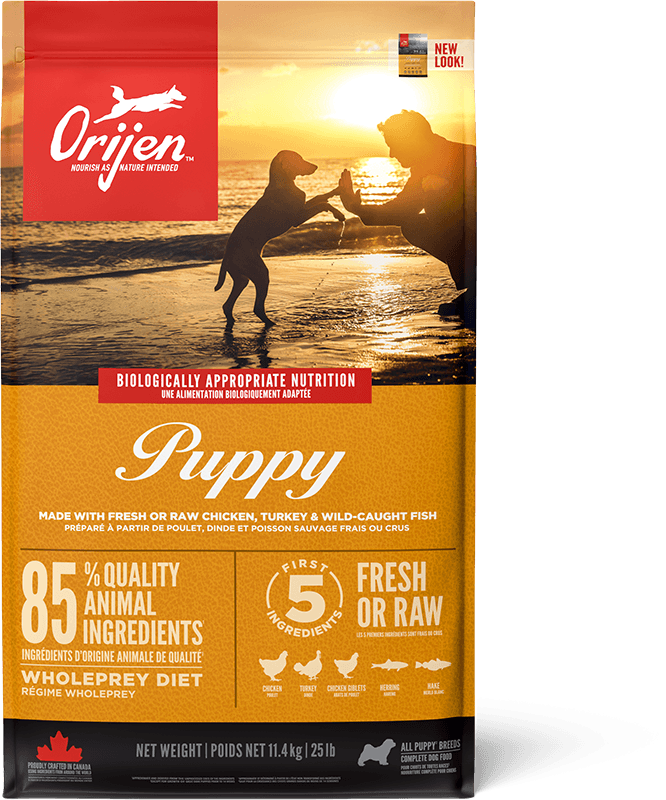
When choosing dog food for puppies, look for a complete diet specifically formulated for growth. The correct food should be appropriate for your puppy's expected adult size, particularly if you have a large or giant breed.
Here are a few things to consider:
- Choose food labelled for puppy growth or an equivalent appropriate life stage.
- Follow the feeding guide based on your puppy's current weight and expected needs.
- Divide the daily allowance into meals appropriate for their age and routine.
- Monitor weight gain and body condition rather than assuming more food means healthier growth.
- Introduce dietary changes gradually to help your puppy adjust.
Large and giant-breed puppies require particular attention because their bones and joints develop over a longer period. Some may not reach skeletal maturity until approximately 15–16 months. A suitable large-breed growth formula can help provide appropriate nutrient levels, including calcium.
For personalized guidance, consult the AAHA recommendations on age-specific and breed-specific diets.
Dog Food for Adult Dogs
Once your dog has reached adulthood, the focus shifts from rapid growth to maintaining a healthy weight, strong muscles and consistent energy levels.
The right adult dog food should provide balanced nutrition appropriate for your dog's activity level, body condition and health.
For example, a highly active dog may have different energy needs from a dog that spends most of the day indoors. Feeding both the same quantity could leave one underfed and the other gaining excess weight.
When choosing adult food:
- Select a formula intended for adult maintenance.
- Check the calorie content and recommended daily serving.
- Consider your dog's exercise routine and typical activity level.
- Adjust portions gradually if their weight changes.
- Provide fresh drinking water throughout the day.
Your dog's ideal portion is individual. Use the package feeding guide as a starting point and adjust with veterinary guidance when needed.
Dog Food for Senior Dogs
As dogs get older, their activity, muscle condition, appetite and digestive tolerance may change.
However, senior dog food is not automatically necessary for every older dog. Some dogs do well on their existing complete adult diet, while others benefit from a different nutritional approach based on their health.
When evaluating food for an older dog, consider:
- Whether they are maintaining a healthy weight and muscle mass.
- Whether they can chew their current food comfortably.
- Changes in appetite, digestion or activity.
- Any medical conditions that may affect dietary requirements.
- Whether their veterinarian recommends a particular diet.
A softer food texture may help some dogs with dental discomfort, but persistent difficulty eating should be assessed by a veterinarian.
The aim is to support your dog's individual needs rather than changing their diet simply because they have reached a particular birthday.
2. Consider Your Dog's Breed
Breed can influence body size, typical activity levels, appetite and certain health risks. However, breed alone should not determine your dog's diet.
A complete and balanced food suited to your dog's life stage is generally a better starting point than assuming every breed needs a specialized formula.
Here are a few examples of factors worth considering.
Labrador Retrievers
Labradors can be highly food-motivated, making portion control especially important.
Choose a suitable complete diet, measure meals carefully and monitor body condition. Treats, table scraps and frequent snacks can contribute to excess calorie intake if they are not accounted for.
Golden Retrievers
Golden Retrievers are often active dogs with substantial coats. Their food should meet their nutritional needs while supporting a healthy body weight and muscle condition.
Do not assume that a dense coat means your dog needs extra food or that a particular ingredient will automatically improve coat health. Persistent skin or coat problems deserve veterinary attention.
German Shepherds
German Shepherds vary in activity level, body condition and individual digestive tolerance. Choose food appropriate for their life stage, size and lifestyle rather than relying solely on breed-specific marketing.
If your dog regularly experiences vomiting, diarrhoea or other digestive symptoms, consult your veterinarian instead of repeatedly changing foods without a clear plan.
Beagles
Beagles can be enthusiastic eaters. Measured portions, consistent feeding routines and controlled treat intake may help maintain a healthy weight.
Food puzzles and appropriate enrichment activities can also make feeding more engaging.
Shih Tzus and Other Small Breeds
Smaller dogs may find appropriately sized kibble easier to pick up and chew. Their individual energy requirements and feeding portions also need attention.
Choose a nutritionally suitable food that your dog can comfortably eat, and avoid assuming that all small breeds require the same formula.
You can explore KUDLZ's breed guides to learn more about breed-related considerations and browse the relevant pet-care categories.
Remember: Breed-specific food can be useful in certain circumstances, but the diet's nutritional suitability and your individual dog's needs matter more than the breed name printed on the package.
3. Select Dog Food Based on Size
Size matters particularly during growth, when inappropriate feeding can affect healthy development. It can also influence kibble size, portion planning and practical feeding preferences.
Small-Breed Dogs
Small dogs may benefit from kibble that is comfortable for them to pick up and chew. Their calorie requirements should still be assessed individually.
Look for a complete diet suited to their life stage and measure servings carefully. Small portions can add up quickly when treats and extras are included.
Medium-Breed Dogs
Medium-sized dogs generally benefit from a balanced diet designed for their current life stage.
Consider their activity, weight, appetite and body condition when determining daily portions. A very active working dog may have different needs from a less active companion dog of a similar size.
Large and Giant-Breed Dogs
Large dogs require attention to healthy weight management, while growing puppies from large and giant breeds need particular care with their nutritional balance.
For large-breed puppies, choose an appropriate growth diet rather than assuming any puppy formula will do. Avoid excessive feeding and unnecessary calcium supplementation unless specifically directed by a veterinarian.
For adult large dogs, select an appropriate maintenance diet and monitor their body condition over time.
Whatever your dog's size, food quantity should be based on individual requirements rather than bowl size alone.
4. Read the Dog Food Label Carefully
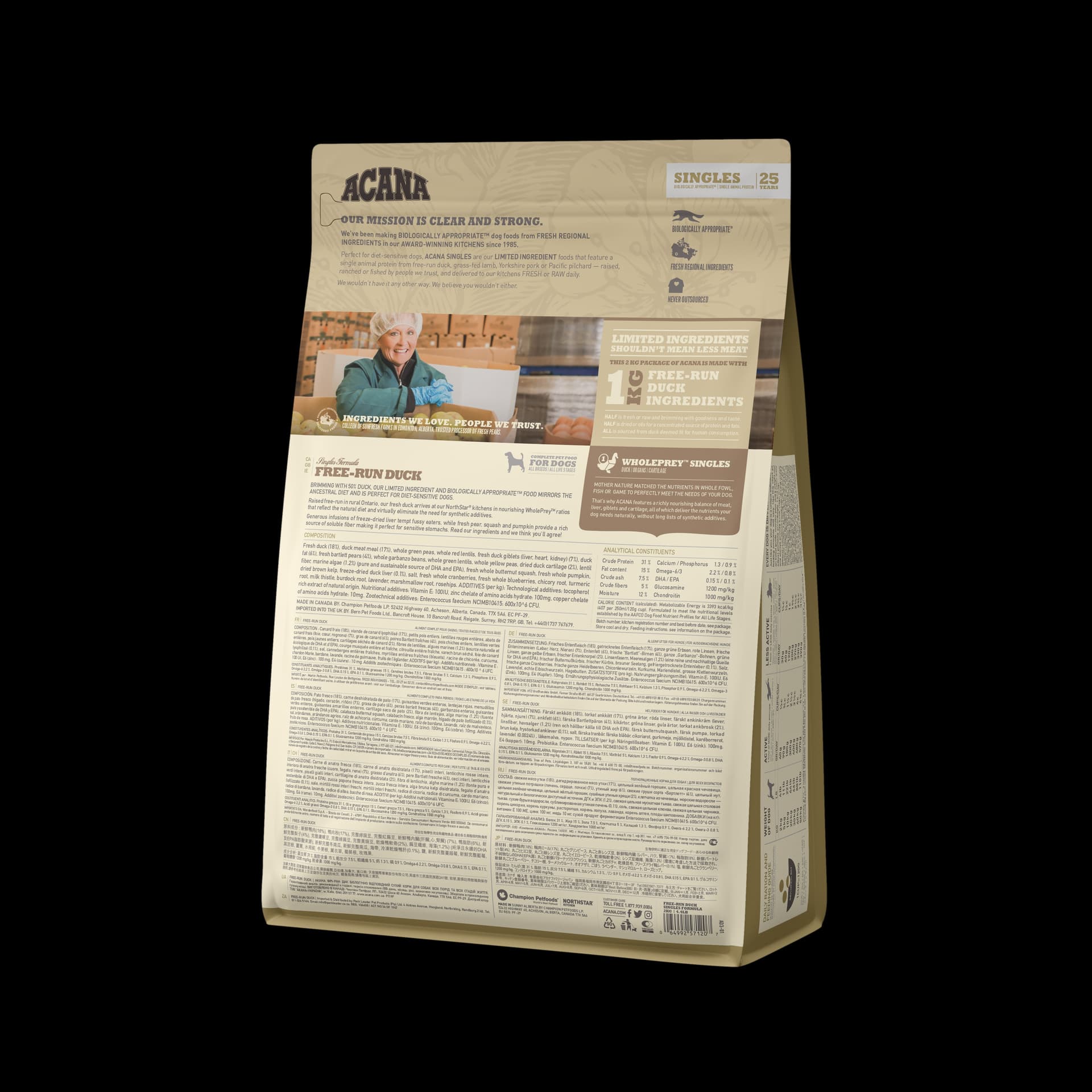
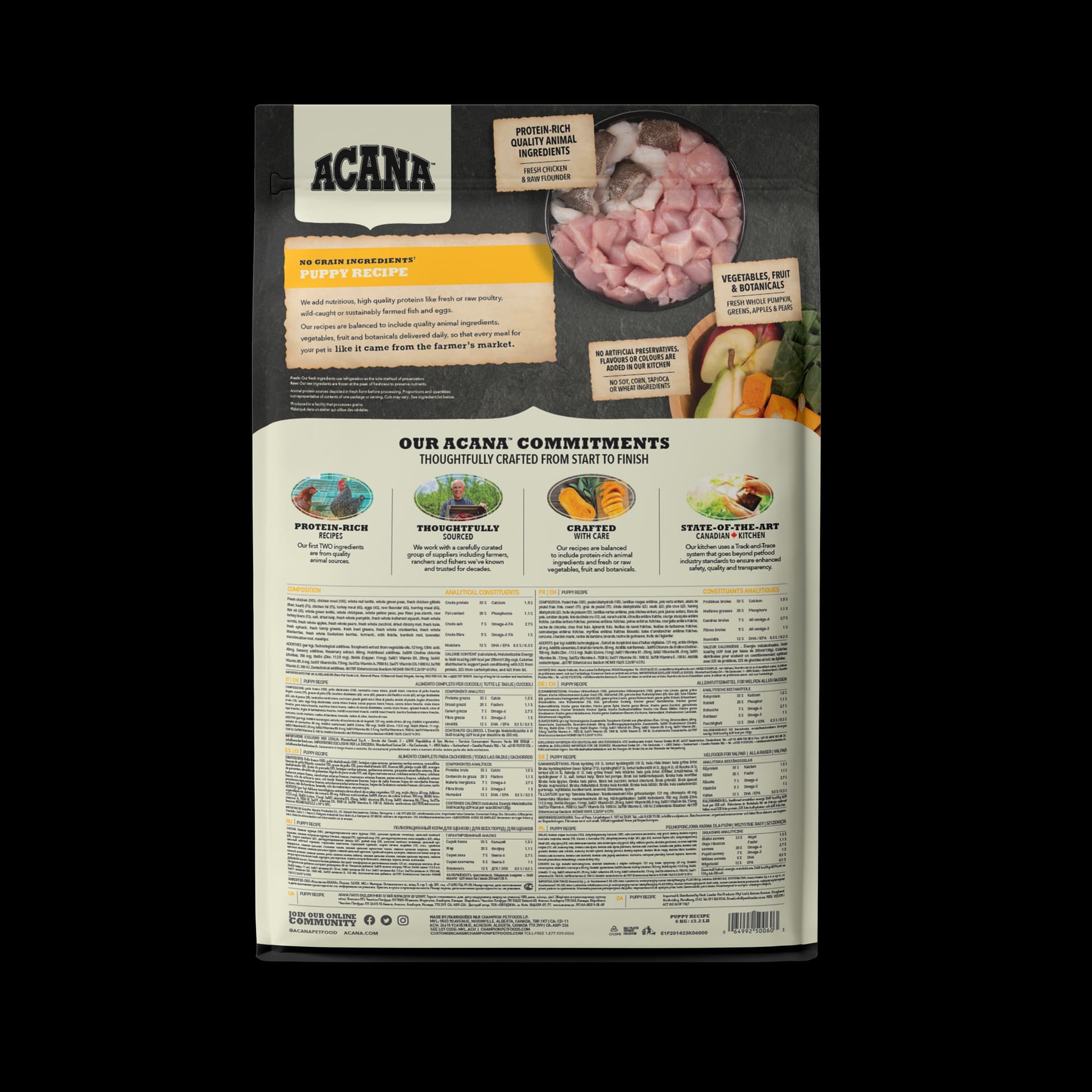
Packaging can make many claims, but learning to read the nutritional information helps you compare foods more meaningfully.
Before purchasing a new food, check these five points.
Nutritional adequacy
Look for confirmation that the food is complete and balanced for the intended life stage. In markets using AAFCO nutritional adequacy statements, check the relevant statement on the packaging.
This matters because treats and supplements are not necessarily designed to provide all the nutrients needed as a dog's main diet.
Read the AAFCO guide to selecting the right pet food for more information.
Ingredient information
Read the full ingredient list and nutritional analysis. However, do not judge the overall quality of a food by a single ingredient or ingredient order alone.
The WSAVA Global Nutrition Guidelines provide useful guidance on evaluating pet foods and assessing nutritional needs.
Calories and serving sizes
Compare calorie content where it is available and use the manufacturer's feeding guide as a starting point. Different foods can provide different amounts of energy per cup or gram.
Feeding instructions
Check how much food to serve, how frequently to feed and whether the product is intended as a complete meal or a supplemental treat.
Manufacturer information
Look for clear product details, nutritional information, batch information and reliable customer support. Ask the manufacturer or your veterinarian if important nutritional details are missing.
5. How Much Food Should You Give Your Dog?
Even a nutritionally appropriate food can cause problems when portions consistently exceed or fall short of your dog's needs.
The correct daily amount depends on factors such as:
- Age and life stage.
- Current weight and body condition.
- Activity level.
- Neutering status and individual metabolism.
- Medical conditions and veterinary recommendations.
- The calorie content of the food.
Start with the feeding guide on the package and measure portions consistently. If you change brands, compare their feeding instructions rather than automatically serving the same volume.
Treats should also be included in the daily calorie plan. A commonly used veterinary guideline is to keep treats and other extras to around 10% or less of daily calories, unless your veterinarian recommends otherwise.
For a deeper understanding of individual feeding requirements, explore the WSAVA nutrition resources.
6. How to Switch Your Dog to a New Food
A new food may be nutritionally appropriate but still require a gradual transition.
Changing diets suddenly can upset some dogs' digestive systems. A gradual transition over about seven days is a practical starting point for many healthy dogs, although some may need a slower change.
A simple transition plan is:
- Days 1–2: Mix approximately 25% new food with 75% old food.
- Days 3–4: Mix approximately 50% new food with 50% old food.
- Days 5–6: Mix approximately 75% new food with 25% old food.
- Day 7 onward: Feed the new food if your dog is tolerating the transition well.
These proportions are a general example, not a rigid rule. Slow the transition if your dog is sensitive, and follow your veterinarian's instructions if your pet has a medical condition or requires a prescription diet.
Monitor appetite, stool consistency and overall behavior during the change. Contact your veterinarian if symptoms persist or become concerning.
7. Common Mistakes to Avoid When Choosing Dog Food
A few seemingly harmless habits can make it harder to maintain a suitable feeding routine.
Choosing food by price alone: Compare nutritional suitability, feeding quantities and product information rather than considering price in isolation.
Following trends without checking suitability: Popular ingredients, grain-free claims or specialized labels do not automatically make a food better for every dog.
Overfeeding because your dog seems hungry: Appetite alone is not a reliable guide to daily energy needs. Measure portions and assess body condition.
Changing foods too frequently: Repeated changes can make it difficult to determine which food your dog tolerates well. Have a clear reason for changing diets.
Ignoring health changes: Unexplained weight loss, persistent digestive symptoms, excessive thirst, reduced appetite or difficulty eating should not be managed by changing food alone.
Giving supplements without advice: A balanced diet generally supplies the nutrients it is formulated to provide. Additional supplements may be unnecessary or inappropriate in certain situations.
8. When Should You Ask a Veterinarian About Your Dog's Diet?
General nutrition guidance is helpful, but some situations require an individual assessment.
Consult a veterinarian before making significant dietary changes if your dog has a diagnosed medical condition, suspected food allergy, persistent digestive problems, obesity, unexplained weight loss, pregnancy or nursing-related needs.
A veterinarian can help you assess body condition, estimate energy requirements and determine whether a specific therapeutic diet is appropriate.
For trusted educational resources on nutrition, feeding routines and everyday wellness, visit KUDLZ & Care.
Frequently Asked Questions
1. How do I choose the right dog food for my puppy?
Choose a complete diet formulated for growth and appropriate for your puppy's expected adult size. Large-breed puppies may require a specialized growth formula. Ask your veterinarian about feeding amounts and the appropriate time to transition to adult food.
2. Is breed-specific dog food necessary?
Not always. A breed-specific formula may be useful in certain circumstances, but many dogs can thrive on a complete diet suited to their life stage, size, activity and health. Individual nutritional needs matter more than breed labels alone.
3. Can I feed my adult dog puppy food?
Puppy food is designed to support growth and may provide more energy or different nutrient proportions than an adult-maintenance diet. It is generally not the routine choice for a healthy adult dog unless a veterinarian recommends it for a specific reason.
4. How often should I change my dog's food?
There is no universal schedule requiring healthy dogs to change foods regularly. If your dog is thriving on a suitable complete diet, a change may not be necessary. Change the diet when there is a nutritional, practical or medical reason, and transition gradually when appropriate.
5. How do I know whether my dog's food is suitable?
Monitor weight, body condition, appetite, stool quality, energy and overall health. These observations are useful, but they do not replace a nutritional assessment and routine veterinary check-ups.
Final Thoughts
Choosing the right dog food becomes easier when you focus on three essentials: age, breed-related considerations and size.
Start with a complete diet that suits your dog's life stage, check the nutritional information, measure portions carefully and review their needs as they grow or their health changes. Breed-specific products may help in particular situations, but no single food is right for every dog.
Most importantly, pay attention to your own dog's body condition and behavior, and seek veterinary advice when you need a personalized feeding plan.
Looking for more pet-care guidance? Explore the KUDLZ dog store, discover breed-based pet-care options, and visit KUDLZ & Care for more information on caring for your companion.