
Choosing the best dog food in India is one of the most important decisions a pet parent will ever make.
A dog's diet directly affects:
- immunity
- digestion
- skin and coat quality
- growth and bone strength
- lifespan and long-term health
Many health problems in dogs — allergies, obesity, digestive issues, weak joints — often start with poor nutrition. Yet thousands of dog owners in India unknowingly feed food that lacks balanced nutrients or does not suit their dog's age, breed size, or lifestyle.
This guide is designed to help you make a confident, informed decision. Instead of just listing products, this article will teach you how to choose the right dog food based on real factors that matter.
By the end, you will know:
- how to evaluate dog food ingredients
- how nutrition needs change with age and breed size
- how to compare budget vs premium foods
- how much to feed your dog daily
- and which types of dog food work best in India
Why Choosing the Right Dog Food in India Matters
Food is not just daily fuel for dogs. It is the foundation of their overall health.
A balanced diet supports:
Strong Immunity
Dogs need proteins, vitamins, and antioxidants to fight infections and stay active.
Healthy Digestion
High-quality ingredients improve nutrient absorption and prevent stomach issues.
Skin & Coat Health
Omega fatty acids and zinc help prevent hair fall, dryness, and itching.
Joint & Bone Strength
Calcium, phosphorus, and glucosamine support mobility and prevent joint problems.
Longer Lifespan
Proper nutrition reduces the risk of chronic diseases and improves quality of life.
Simply put: Good food today prevents expensive vet bills tomorrow.
Types of Dog Food Available in India
Understanding the major food categories is the first step before choosing a brand.
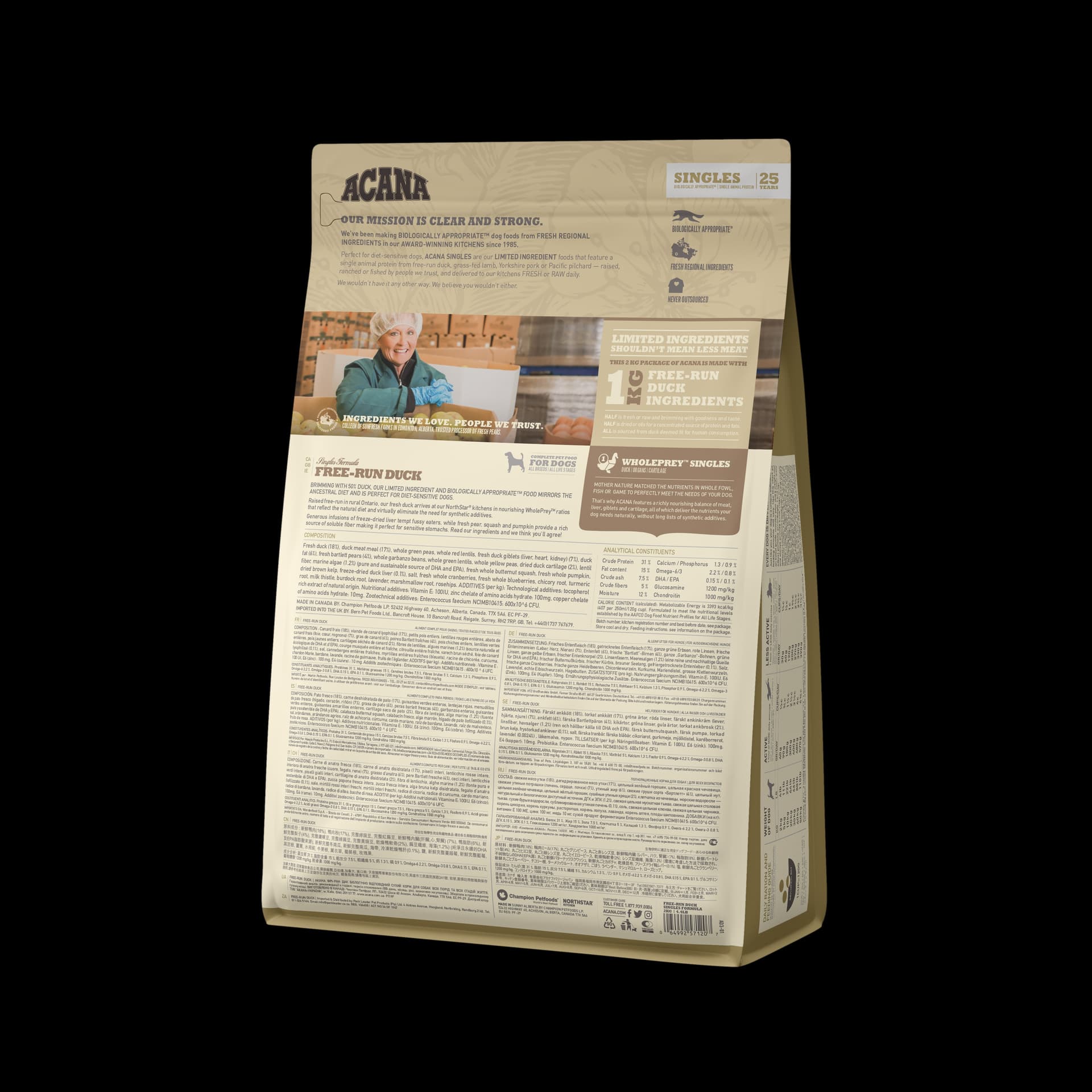
Dry Dog Food in India
This is the most commonly used dog food in India.
Benefits
- Affordable and convenient
- Long shelf life
- Supports dental health
- Easy to store
Best for: Daily feeding and budget-friendly nutrition.
Wet Dog Food in India
Wet food contains higher moisture content and stronger aroma.
Benefits
- Easier to chew and digest
- Great for picky eaters
- Higher hydration
Best for: Puppies, senior dogs, and dogs with low appetite.
Homemade Dog Food in India
Many Indian pet parents prefer home-cooked meals.
Benefits
- Fresh and customizable
- No preservatives
- Good for dogs with allergies
Challenges
- Difficult to balance nutrients
- Risk of deficiencies without guidance
Best for: Supplementing commercial dog food, not replacing it completely.
Essential Nutrients Every Dog Food Must Contain
A complete dog diet must include both macronutrients and micronutrients.
Protein
The most important nutrient for dogs.
Supports:
- muscle growth
- tissue repair
- immunity
- energy levels
Good protein sources include chicken, fish, lamb, and eggs.
Fats
Healthy fats provide concentrated energy and improve coat health.
Key benefits:
- brain function
- skin health
- vitamin absorption
Look for omega-3 and omega-6 fatty acids.
Carbohydrates
Provide energy and support digestion.
Common sources:
- rice
- oats
- sweet potatoes
- barley
Essential Minerals for Dogs in India
- Calcium — Required for bones, teeth and proper growth.
- Phosphorus — Works with calcium for bone strength and energy metabolism.
- Zinc — Supports skin, coat and immune health.
- Iron — Essential for red blood cell production and oxygen transport.
- Magnesium — Supports muscle function and enzyme activity.
Essential Vitamins for Dogs in India
- Vitamin A — Supports vision, skin health and immune function.
- Vitamin D — Helps calcium absorption and bone development.
- Vitamin E — Acts as an antioxidant and protects body cells.
- Vitamin K — Supports proper blood clotting.
- Vitamin B-Complex — Important for metabolism and energy production.
How to Choose Dog Food in India Based on Age
A dog's nutritional needs change significantly throughout life. Feeding the wrong food for their life stage can lead to slow growth, obesity, weak joints, or nutrient deficiencies.
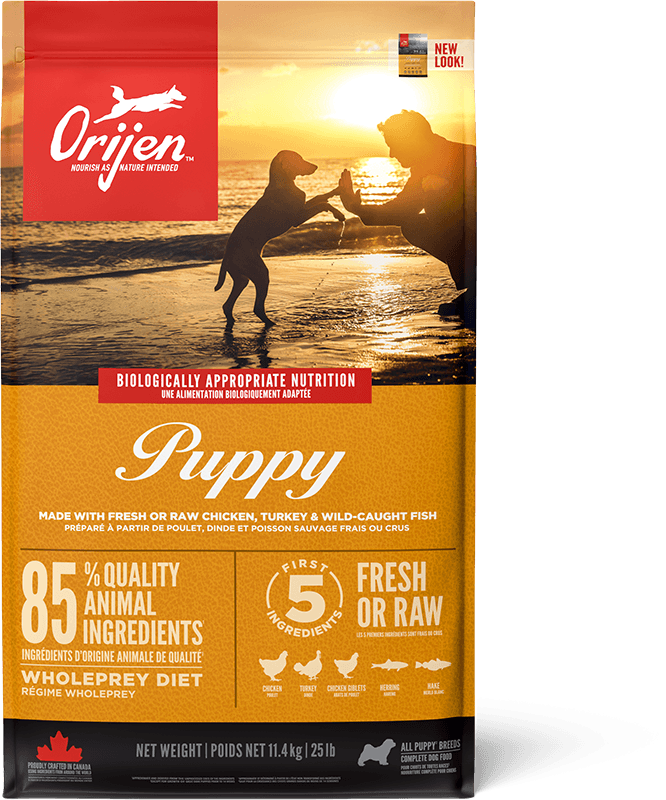
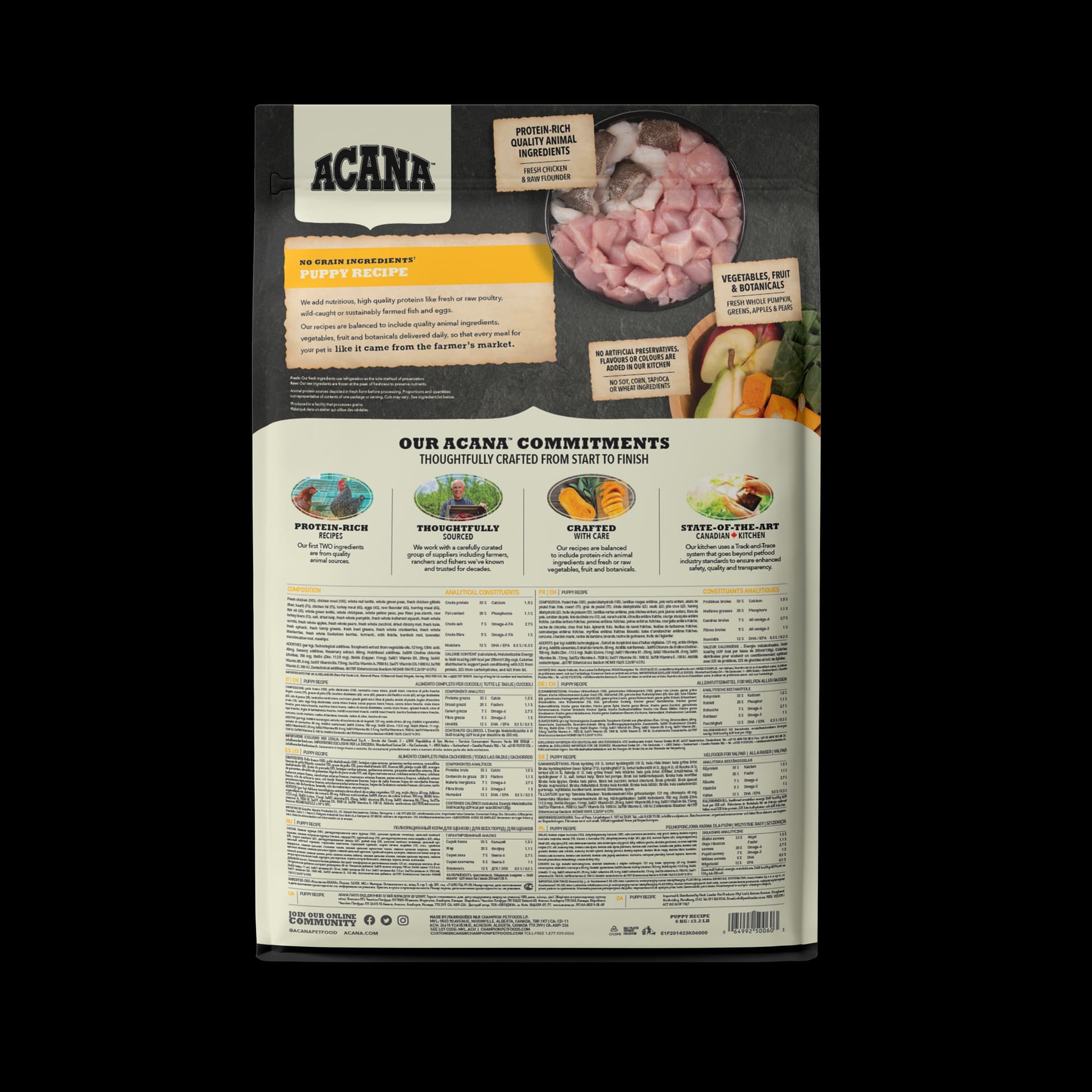
Puppy Dog Food (0–12 Months)
Puppies grow extremely fast. Their food must support:
- rapid muscle development
- brain growth
- bone formation
- immune system development
Puppies need more protein, fat, and calories than adult dogs.
Key nutrients puppies need
- High protein for growth
- DHA for brain development
- Calcium & phosphorus for bones
- Higher calorie density
What happens if puppies eat adult dog food?
- Poor growth
- Weak bones
- Low immunity
Always choose food labeled Puppy / Starter / Growth Formula.
Adult Dog Food (1–7 Years)
Adult dogs require balanced nutrition to:
- maintain healthy weight
- support daily activity
- maintain skin and coat
- prevent lifestyle diseases
Adult food contains moderate calories and balanced nutrients.
Key nutrients adults need
- Balanced protein and fat
- Digestible carbohydrates
- Vitamins & antioxidants
- Omega fatty acids
Feeding puppy food to adults can cause obesity, while senior food may lead to nutrient deficiency.
Senior Dog Food in India
Senior dogs become less active and develop joint and digestion issues.
Their diet should focus on:
- weight control
- joint support
- easy digestion
- immune support
Key nutrients seniors need
- Lower calories
- Higher fiber
- Glucosamine & chondroitin
- Antioxidants
Senior diets help prevent:
- arthritis
- obesity
- digestive problems
How to Choose Dog Food in India Based on Breed Size
Many dog owners ignore this, but breed size drastically changes nutrition needs.
Small Breed Dogs
Examples: Pug, Shih Tzu, Pomeranian, Dachshund.
Small dogs have:
- faster metabolism
- smaller stomachs
- higher energy needs per kg
They need energy-dense food in small kibble size.
Key requirements
- Higher calories
- Smaller kibble size
- High-quality protein
Medium Breed Dogs
Examples: Indie dogs, Beagles, Cocker Spaniels.
They need balanced nutrition without extreme calorie density.
Focus on:
- weight maintenance
- digestive health
- skin & coat support
Large & Giant Breed Dogs
Examples: Labrador, Golden Retriever, German Shepherd, Rottweiler.
Large dogs face serious risks:
- hip dysplasia
- arthritis
- joint stress
- obesity
Their food must contain:
- controlled calories
- joint-support nutrients
- balanced calcium levels
Key nutrients
- Glucosamine
- Chondroitin
- Omega fatty acids
Feeding regular food to large breeds increases risk of joint disease.
How to Choose Dog Food in India Based on Budget
Budget matters for long-term feeding. The best food is the one you can consistently afford every month.
Budget Range
Good for:
- indie dogs
- mixed breeds
- multi-dog households
Pros: Affordable for daily feeding; easily available.
Cons: Lower meat content; more grains.
Mid-Range Dog Food
The sweet spot for most Indian pet parents.
Offers:
- better ingredients
- improved digestibility
- balanced nutrition
Best choice for most households.
Premium Dog Food
Ideal for:
- pure breeds
- allergy-prone dogs
- indoor pets
Benefits:
- higher meat content
- fewer fillers
- better digestibility
Costs more but reduces vet expenses long-term.
Dry vs Wet vs Homemade Dog Food in India
Many Indian dog owners are confused about which type of food is best.
The truth is each type has its own role, benefits, and limitations.
The smartest approach is understanding when and how to use each one.
Dry Dog Food in India
Dry food is the most popular and practical choice for daily feeding.
Advantages
- Affordable and budget friendly
- Easy to store and serve
- Long shelf life
- Helps reduce plaque and tartar
- Nutritionally balanced and complete
Disadvantages
- Lower moisture content
- Some dogs find it less tasty
- Needs fresh water always available
Best For: Daily feeding, working families, multi-dog homes, and long-term use.
Dry food should form the foundation of most dogs' diets in India.
Wet Dog Food in India
Wet food contains high moisture and strong aroma, making it more appetizing.
Advantages
- Highly palatable for picky eaters
- Easier to chew for puppies and seniors
- Helps hydration
- Good for dogs recovering from illness
Disadvantages
- More expensive
- Short shelf life after opening
- Does not clean teeth like kibble
Best For
- Puppies
- Senior dogs
- Sick or recovering dogs
- Occasional meal topper
Wet food works best as a supplement, not the main daily diet.
Homemade Dog Food in India
Home-cooked meals are very common in Indian households.
Advantages
- Fresh ingredients
- No preservatives
- Customizable for allergies
- Emotional satisfaction for owners
Disadvantages
- Hard to balance nutrients
- Risk of calcium and vitamin deficiency
- Time consuming
- Requires careful planning
Many homemade diets lack:
- calcium
- zinc
- vitamin D
- omega fatty acids
This can cause long-term health problems if not balanced properly.
Which Option Is Best?
The best approach is a balanced combination:
- Dry food → main daily diet
- Wet food → occasional topper
- Homemade food → limited supplement
This gives the benefits of all three without nutritional risk.
Biggest Feeding Mistakes Dog Owners Make
Overfeeding Dogs
Obesity is one of the most common health problems in pets.
Extra treats and table scraps add hidden calories.
Feeding Milk Daily
Many dogs are lactose intolerant.
Milk can cause gas and diarrhea.
Switching Food Too Quickly
Sudden changes cause vomiting and stomach upset.
Always transition slowly over 7 days.
Feeding Only Homemade Food
Homemade food alone rarely provides balanced nutrition.
Dogs need vitamins and minerals that are difficult to provide naturally.
Giving Too Many Treats
Treats should be less than 10% of daily calories.
Daily Dog Feeding Chart
One of the biggest concerns dog owners have is: "Am I feeding too much or too little?"
Overfeeding leads to obesity and joint problems.
Underfeeding causes weakness, poor immunity, and low energy.
The correct amount depends on:
- dog's weight
- age
- activity level
- food quality
The chart below is a general daily guideline for dry dog food.
Puppy Feeding Chart (2–12 Months)
| Puppy Weight | Daily Food Quantity |
|---|---|
| 1–3 kg | 50–90 grams |
| 3–5 kg | 90–130 grams |
| 5–10 kg | 130–200 grams |
| 10–20 kg | 200–350 grams |
| 20–30 kg | 350–450 grams |
Puppies should be fed 3–4 meals per day.
Adult Dog Feeding Chart
| Adult Weight | Daily Food Quantity |
|---|---|
| 1–5 kg | 40–90 grams |
| 5–10 kg | 90–150 grams |
| 10–20 kg | 150–300 grams |
| 20–30 kg | 300–400 grams |
| 30–40 kg | 400–500 grams |
Adult dogs should be fed 2 meals per day.
Senior Dog Feeding Guide
Senior dogs need 10–20% fewer calories because activity decreases.
Reduce portion size slightly and choose easy-to-digest food.
Adjust Feeding Based on Activity Level
Active Dogs — Working dogs, farm dogs, and highly active breeds need 10–20% more food.
Less Active / Indoor Dogs — Reduce food by 10–15% to prevent weight gain.
Monthly Feeding Cost Estimate
| Dog Size | Monthly Food Cost (Approx) |
|---|---|
| Small Dog | ₹1,500 – ₹3,000 |
| Medium Dog | ₹3,000 – ₹5,000 |
| Large Dog | ₹5,000 – ₹8,000 |
Premium foods cost more but may reduce vet expenses long term.
How to Safely Switch Dog Food in India
Never change dog food suddenly.
Follow the 7-day transition rule:
| Day | Old Food | New Food |
|---|---|---|
| 1–2 | 75% | 25% |
| 3–4 | 50% | 50% |
| 5–6 | 25% | 75% |
| 7 | 0% | 100% |
This prevents digestive upset and diarrhea.
Final Thoughts
Choosing the right dog food may feel confusing at first, but it becomes simple once you understand your dog's needs.
Remember the key principles:
- Choose food based on age and breed size
- Pick a budget you can maintain consistently
- Use dry food as the daily foundation
- Avoid sudden food changes
- Focus on long-term health, not short-term cost
Good nutrition is one of the greatest gifts you can give your dog. The right food supports a healthier, happier, and longer life.
Explore dog food and everyday essentials in the KUDLZ dog store.