Choosing the right food for your pet is an important part of responsible pet parenting. With so many brands, products and online sellers available, it can sometimes be difficult to determine whether the food you are buying is genuine, properly packaged and suitable for your pet.
Counterfeit products, damaged packaging, incorrectly stored food and misleading online listings can create unnecessary risks. That is why knowing how to identify genuine pet food in India is essential for anyone buying food for a dog or cat.
The good news is that a few simple checks can help you make a more informed purchase.
In this guide, we explain how to recognize authentic pet food, inspect product labels, check batch details, identify suspicious packaging and choose reliable sellers when shopping online or in physical stores.
1. Purchase Pet Food from a Trusted Seller
One of the simplest ways to reduce the risk of buying counterfeit products is to purchase from a seller whose identity and sourcing practices can be verified.
When shopping for genuine pet food in India, consider buying directly from the manufacturer's official website or a seller recommended by the brand. Established pet supply stores and specialist online retailers can also be useful options, provided you can verify their business details and product sourcing.
Before placing an order, check the following:
- Does the website provide clear business and customer support information?
- Can the seller explain where the products are sourced from?
- Is there a clear return or replacement policy for damaged, incorrect or suspected counterfeit products?
- Are the product description, pack size and brand details consistent with the manufacturer's information?
- Can the seller provide a proper invoice for your purchase?
When shopping online, compare the listing with the product shown on the manufacturer's official website.
You can browse the KUDLZ dog food and pet product store or explore the KUDLZ cat store when looking for products for your companion.
Tip: A professional-looking website or a large number of positive reviews does not automatically guarantee authenticity. Always evaluate the seller and the product information together.
2. Inspect the Packaging Carefully
Packaging is one of the first things you should examine when your pet food arrives.
Genuine products usually have consistent packaging that matches the brand's official product information. However, packaging designs can change, so an unfamiliar design alone does not prove a product is counterfeit.
Look for these details:
- Clear printing and readable product information.
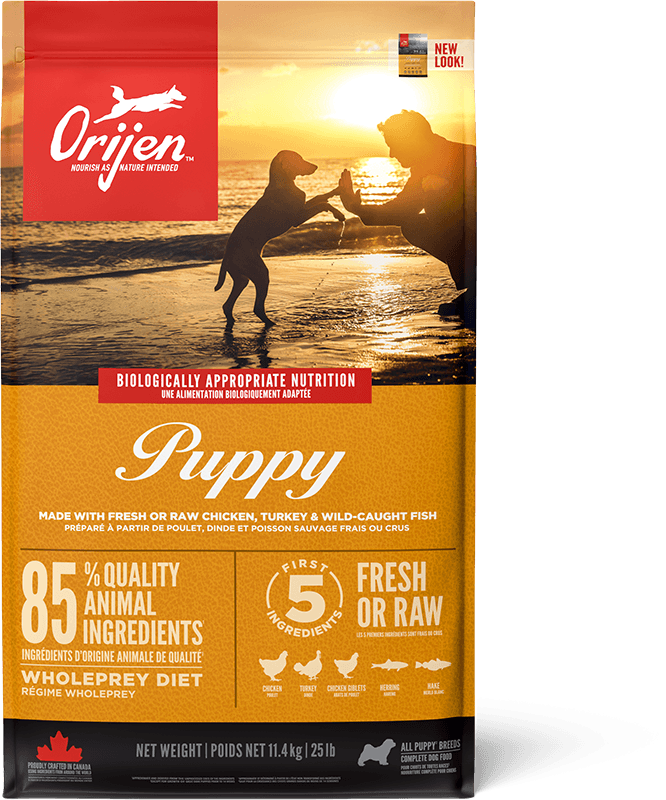
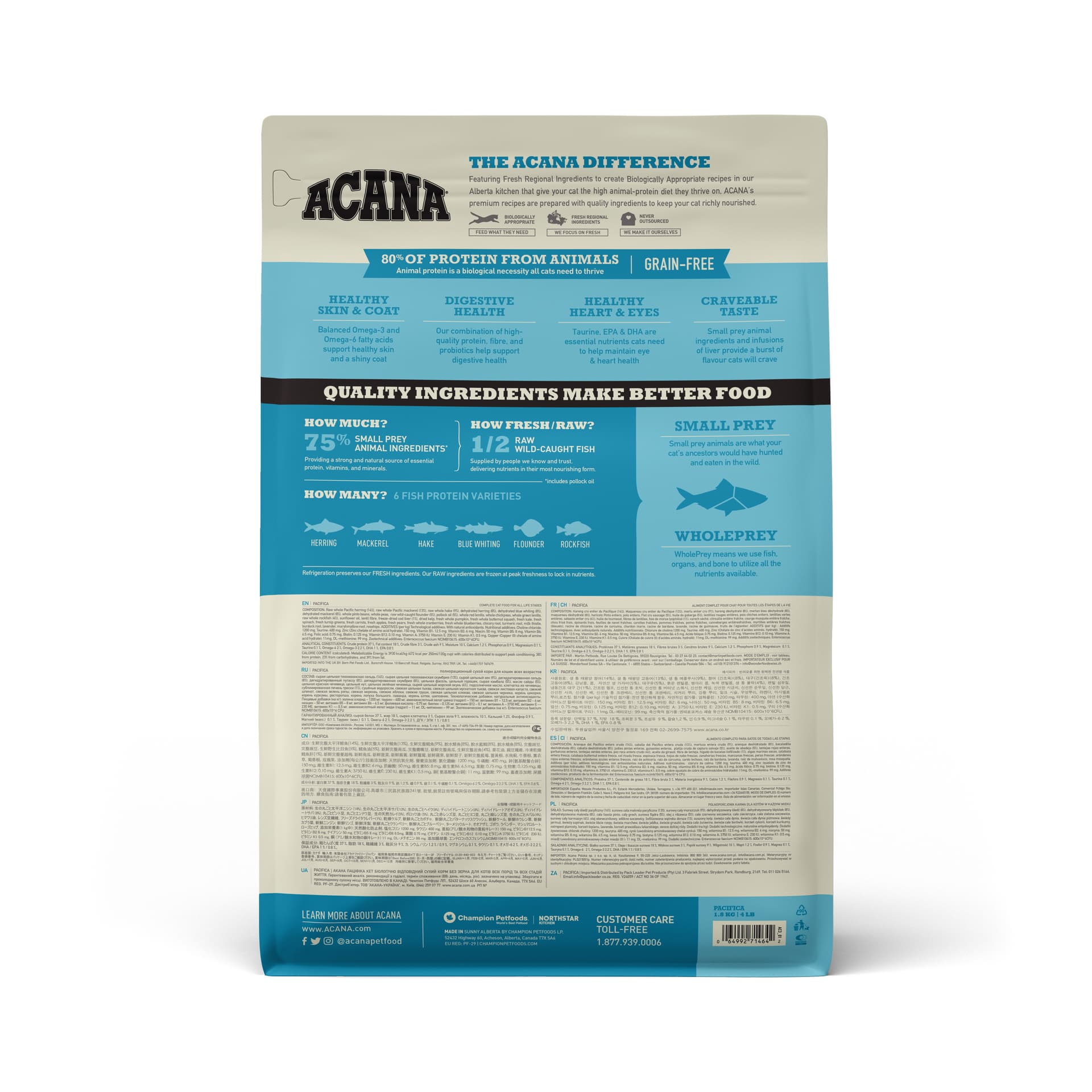
- Brand name, product name and intended animal species.
- Correct pack size and product variant.
- A properly sealed package, consistent with the packaging type.
- No unexplained tears, punctures, leakage or evidence of tampering.
- No signs that printed dates or product information have been altered.
For example, if you ordered a particular flavour and pack size of dry dog food, compare the product you received with the manufacturer's current listing.
Be cautious if the spelling, logo, colour scheme or product description differs significantly without an explanation from the brand.
For wet food, inspect pouches and cans for leakage, swelling, deep dents or damaged seals. For dry food, look for broken seals, unexplained holes or signs of moisture entering the package.
If something looks suspicious, do not open or feed the product to your pet until you have verified it with the seller or manufacturer.
3. Check the Batch Number and Manufacturing Details
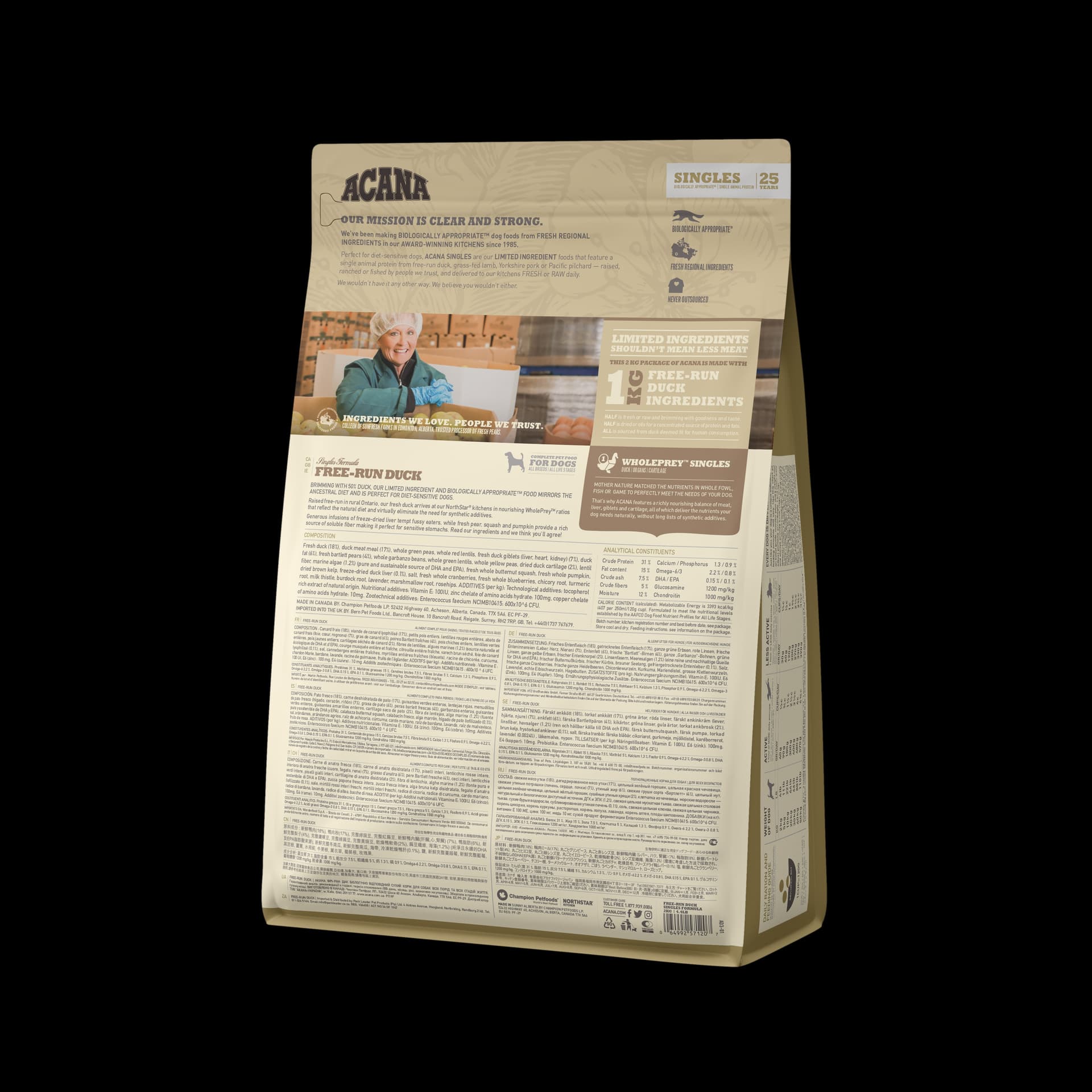
A batch or lot number can help a manufacturer identify when and where a product was produced. It is also useful when investigating quality complaints or possible product recalls.
When examining a pack of pet food, look for its batch or lot number and check whether the printed details are clear and readable.
Depending on the product and its packaging, you may also find:
- Manufacturing or packing date.
- Best-before or expiry information.
- Manufacturer's name and address.
- Importer or distributor details, where applicable.
- Customer care contact information.
The exact information and label format can vary by product and origin, so do not assume that every brand will print all details in the same location.
How to verify a pet food batch number
If you are unsure whether a product is authentic, contact the manufacturer through its official website or verified customer support channel.
Share the following information where requested:
- Product name and variant.
- Batch or lot number.
- Pack size.
- Purchase date and seller name.
- Clear photographs of the front, back and printed batch details.
Ask the manufacturer to confirm whether the batch information is consistent with its records.
A batch number printed on packaging is not proof of authenticity by itself. Counterfeit packaging can also contain copied numbers, so manufacturer confirmation is more useful than simply checking whether a number exists.
4. Verify the Expiry Date and Product Condition
Always check the best-before or expiry information before feeding your pet.
Expired food may have reduced quality, and damaged or poorly stored food can develop problems even when the printed date has not passed.
Before using a product, confirm that:
- The date is readable and has not apparently been altered.
- The product is within its stated shelf life.
- The packaging is intact.
- The food has no unusual smell, visible mould, unexpected discolouration or signs of moisture damage.
- The product has been stored according to the manufacturer's instructions.
For dry pet food, keep the product in a cool, dry place and follow the brand's storage guidance after opening.
For wet food, follow the storage instructions on the package, particularly after opening.
Never rely on smell or appearance alone to establish safety. A product can look normal and still have a quality problem.
If the packaging is damaged, the date appears altered or the food looks suspicious, avoid feeding it to your pet and contact the seller or manufacturer.
5. Scan QR Codes and Barcodes Carefully
Many pet food products use barcodes or QR codes for identification, product information, promotions or traceability.
These features can be helpful, but they should not be treated as automatic proof that a product is genuine.
A barcode may simply identify a product type, while a copied QR code may lead to a genuine-looking website without authenticating the individual pack.
For a safer check:
- Scan the code using your phone's camera or a trusted scanner.
- Examine the destination URL before opening it.
- Check whether the destination belongs to the manufacturer's genuine domain.
- Look for an official product-verification feature, if the brand offers one.
- Avoid entering personal or payment information on unfamiliar websites.
If the manufacturer provides a dedicated authenticity-verification system, follow its instructions and compare the result with your product's batch details.
If a QR code directs you to an unrelated website, a suspicious domain or an unexpected payment request, stop and verify the product independently.
Remember: A successful QR scan is not necessarily an authentication check. When in doubt, contact the brand directly using contact information obtained independently of the suspicious pack.
6. Read the Product Label Instead of Relying Only on Marketing Claims
Authentic packaging is important, but a genuine product must also be suitable for your pet.
Read the label carefully and look for information that helps you understand what you are buying.
Check the intended species and life stage
Make sure the product is meant for your pet. Dog food should not automatically be substituted for cat food, and puppy or kitten diets may have different nutritional purposes from adult maintenance diets.
For more guidance, explore the KUDLZ pet care hub.
Look at the ingredients and nutritional information
Review the ingredient list, nutritional analysis and feeding instructions. Claims such as premium, natural or holistic are not, by themselves, proof of nutritional quality.
The World Small Animal Veterinary Association's Global Nutrition Guidelines explain what pet owners and veterinary professionals should consider when evaluating pet food and manufacturer information.
Check whether the food is complete or complementary
Some products are formulated as complete diets, while others are intended as treats, toppers or complementary foods.
Make sure you understand how the product should be used. Treats or complementary products should not automatically replace a complete diet.
Verify certification claims
The Bureau of Indian Standards lists IS 11968:2019, Pet food for dogs and cats — Specification, in its published animal-feed standards program.
You can consult the BIS Know Your Standard portal to research Indian Standards and certification-related information.
However, the existence of an Indian Standard does not mean that every genuine pet food product must display an ISI mark. Do not classify a product as fake merely because such a mark is absent. Instead, verify any specific certification claim through official records and check the requirements applicable to that particular product.
7. Be Careful with Prices That Seem Too Good to Be True
Everyone likes a good deal, and discounts are common in online shopping. A low price alone does not prove that a product is counterfeit, but an unusually large discount deserves closer inspection.
Before purchasing heavily discounted pet food, compare the final price with the brand's official listing and other credible sellers.
Check whether:
- The seller is identifiable and contactable.
- The product is the same variant and pack size.
- The listing provides clear packaging and product information.
- The expiry date and remaining shelf life are disclosed when relevant.
- The seller can provide an invoice.
- The discount has a clear explanation, such as a genuine promotion or clearance sale.
Be particularly cautious when a seller offers an expensive product at an implausibly low price but cannot explain its sourcing or provide basic product details.
Avoid making a decision based on price alone. Consider the source, packaging, product information and seller transparency together.
8. Know What to Do If You Suspect Fake Pet Food
If you suspect that the food you purchased is counterfeit, tampered with or incorrectly represented, do not feed it to your pet while the concern is being investigated.
Take these steps:
- Keep the packaging. Preserve the product, outer box, invoice and delivery label if available. Avoid discarding the batch information or other identifying details.
- Take photographs. Photograph the packaging, seals, batch code, expiry date, product label and any visible damage.
- Contact the seller. Explain the issue and request verification, a replacement or a refund according to the seller's policy and applicable rights.
- Contact the manufacturer. Use an independently verified contact channel and ask whether the batch details and packaging are consistent with the product they produce.
- Report serious concerns. If you suspect counterfeiting, fraud or a product-quality issue, consider reporting it to the relevant consumer protection or enforcement authority.
If your pet has eaten suspicious food and develops vomiting, diarrhoea, unusual lethargy or other concerning symptoms, contact a veterinarian promptly. Keep the packaging available so the product can be identified.
Common Warning Signs of Potentially Inauthentic Pet Food
Keep these checks in mind whenever you buy dog or cat food:
- Packaging that appears opened, resealed, punctured or tampered with.
- Missing or unreadable batch details.
- Dates that appear altered or inconsistent.
- Major unexplained differences from the manufacturer's product information.
- A seller who cannot provide basic sourcing details or an invoice.
- QR codes that direct you to suspicious websites.
- Unusual product condition, such as mould, moisture damage or leaking packaging.
- Extremely low prices combined with other warning signs.
No single warning sign always proves counterfeiting. The safest approach is to pause, preserve the details and verify the product with the manufacturer before feeding it to your pet.
Frequently Asked Questions
1. How can I identify genuine pet food in India?
Check the seller's identity, packaging condition, batch number, expiry information and manufacturer details. Compare the product with the manufacturer's official listing, and contact the brand if anything appears inconsistent.
2. Can a barcode or QR code prove that pet food is authentic?
Not by itself. Barcodes may identify a product, and QR codes can be copied. Use an official authentication service if the manufacturer provides one, and verify the batch details directly with the brand when necessary.
3. What should I do if the batch number is missing?
Do not assume that every unusual label format indicates counterfeiting, but treat missing or unreadable identification details as a reason for caution. Contact the seller and manufacturer before using the product.
4. Is expensive pet food always genuine?
No. Price alone does not guarantee authenticity. Check the seller, product details, packaging, batch information and source of supply.
5. Should I buy dog and cat food from the same product category?
No. Dog and cat foods are formulated for different nutritional requirements. Choose products intended for the correct species and life stage.
6. Can genuine pet food still be unsafe?
Yes. Genuine products can be damaged, improperly stored, expired or affected by a quality issue. Always inspect the packaging, follow storage instructions and monitor your pet's health.
Final Thoughts
Protecting your pet starts with making informed purchasing decisions. By examining the packaging, checking batch and expiry information, verifying the manufacturer and choosing transparent sellers, you can reduce the risk of buying counterfeit or questionable products.
When something does not look right, do not ignore it. Keep the packaging, verify the details with the brand and avoid feeding the product until the concern is resolved.
For more information about pet products and everyday pet care, explore the KUDLZ dog store, the KUDLZ cat store and KUDLZ & Care.
A little extra care before buying can make a meaningful difference to your pet's safety and well-being.